For good or for better?
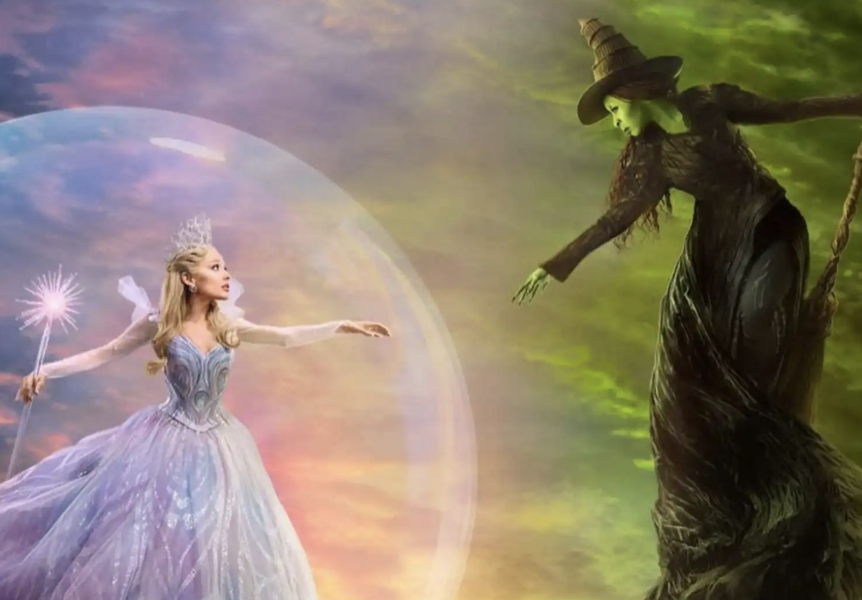
Who can say if I’ve been changed FOR THE BETTER?
But, because I knew you
I have been changed…FOR GOOD.
It seems like the musical, then movie, Wicked has been everywhere for the last…um…20 years? And rightfully, so - there are a lot of take aways from the story line. Plus, it has consistently provided us with iconic performances.
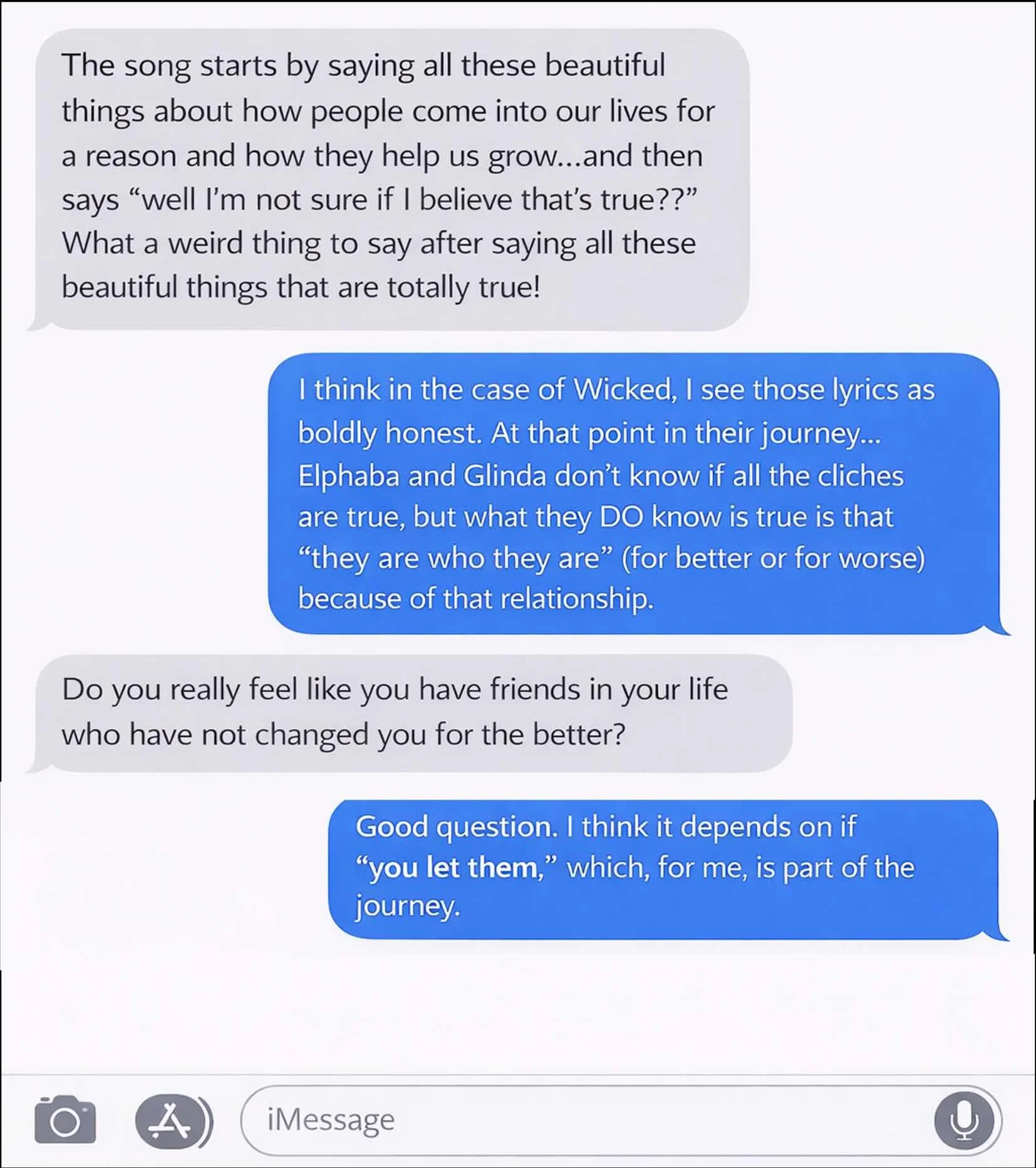
Just after the second installation of the Wicked movie series (Wicked: For Good) was released, I had a friend text me. After closely examining the lyrics to For Good, he was perplexed. Our text exchange went something like this:
If you let them…
Life delivers moments we don’t script—loss, love, failure, success, illness, opportunity. Some moments feel undeniably painful. Others, undeniably good. But what often determines their lasting impact isn’t only the event itself. It’s the story we tell ourselves about what it means.
Two people can experience the same circumstance and walk away with very different narratives.
One setback becomes, “This proves I’m not capable.”
Another becomes, “This is hard—and I’m learning.”
One rejection becomes, “I’m unlovable.”
Another becomes, “That wasn’t the right fit.”
The event is the same. The meaning is constructed. And it is usually influenced by a quiet storyline running the background.
Sometimes the story is formed quickly—during a vulnerable moment—and solidified into something that feels like truth. Other times, it developed like a well-worn rut in a road, when the same message was delivered to us over…and over…and over. Regardless, left unchecked, those stories begin to shape our emotions, our beliefs, our relationships, and our expectations. We start living as though our interpretation is fact.
But what if it isn’t? What if we were to examine the narrative?
Is this the only possible interpretation?
What evidence supports it—and what contradicts it?
If this story weren’t rooted in fear or shame, how might it sound?
When we change the story, we change what feels possible.
Anxiety may shift from “I’m weak” to “My nervous system is trying to protect me.”
A diagnosis could change from “I’m broken” to “My body needs care.”
An error might move from “I am a failure” to “I made a mistake.”
Small revisions. Big impact.
It might sound easy, but this intentional meaning-making is not a one-time decision. It’s an ongoing process. Continuing to choose the story we tell ourselves, rather than defaulting to what we have been told.
It’s also important to note that meaning making isn’t about denying pain or forcing positivity. Some experiences are genuinely devastating. Grief deserves to be grief. Anger deserves acknowledgment. But even within painful realities, we still participate in meaning-making. And the goal isn’t to rewrite history. It’s to help you relate to your history differently. Because the stories we tell ourselves either confine us—or free us. And, we get to decide whether an experience becomes a life sentence or a life lesson.
Just like Elphaba and Glinda – we get to choose whether we have been changed for the better.
(and for the record, I think they both believe they were changed for good…and for the better.)